


⚠️ Fast Fashion Red Flags: What to Look for Before You Click “Buy” 🛍️
- Sonya Yacynowych

- Oct 13, 2025
- 3 min read
Updated: Oct 16, 2025
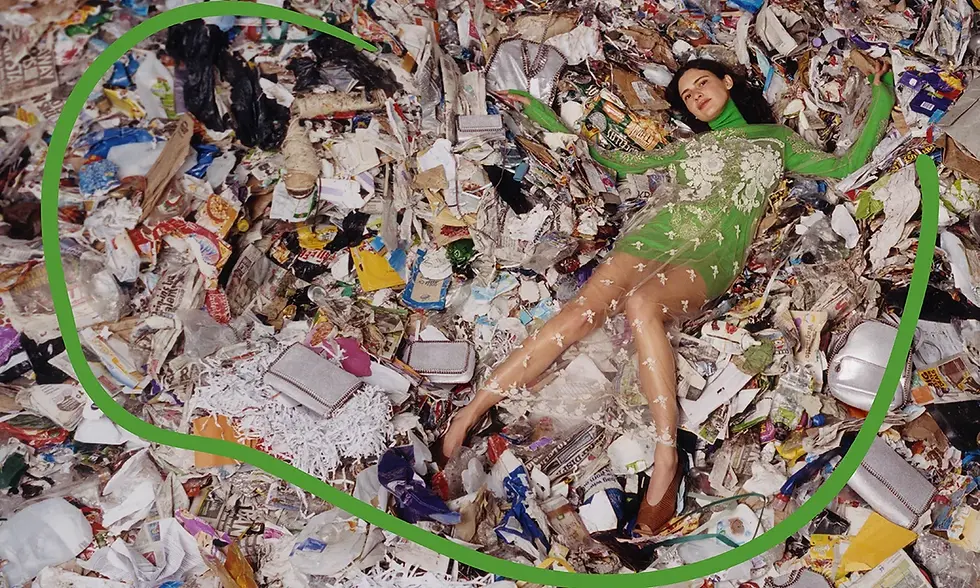
Picture this: you’ve just had a long day at school and decide to unwind with some online shopping. You scroll through countless banner ads displaying extremely low prices and think what a steal! Little do you know those so called “steals” come at a hidden cost– one paid by the environment and the people that make our clothes.
Fear Not– you are not alone. This a trap lots of people fall for.
Online shopping makes it too easy to fall into the fast fashion trap. Whether it be through that late-night scroll, “under $15” top or the 40% off banner lighting up your screen, these temptations are designed to make you buy before you think. Behind every haul and next-day delivery lies a system built on overproduction, underpaid and unsafe labour conditions, and environmental harm. Before you hit checkout, it is worth pausing to spot a few red flags that your "amazing deal” might be costing the planet and the people who made your clothes.
👗 What is Fast Fashion?
Fast fashion thrives on impulses. It relies on quick trends, low prices, and overproduction, but it often hides the environmental and ethical impact. The industry’s goal is not to sell you a good quality and long lasting product, but rather to keep people hooked on buying more.
🚨 What to Look Out for Before You Hit Checkout:
1. Unrealistic Pricing
If a sweater costs less than your morning Starbucks coffee, there is something wrong. Low prices often signal that corners were cut somewhere along the supply chain, whether that means underpaid factory workers, unsafe labour conditions or cheap or low quality materials were used to make garments that won’t last beyond a few washes. Remember when fashion is too affordable, someone else is paying the real price.
2. Constant “New Drops”
If a brand is releasing new collections every few days or weeks, that is a major red flag for overproduction. Sustainable brands take their time, from designing, sourcing, and producing clothing intentionally and in smaller batches. The constant churn of “new arrivals” is not a mark of creativity or innovation, but rather consumerism disguised as choice. This endless cycle encourages impulse buying and waste, keeping consumers trapped in a loop of trends that fade as quickly as they appear.
3. Endless Sales and Discounts
If a brand always has a “limited-time” sale it is not considered a good deal, it is simply a marketing strategy to clear overstock. Constant markdowns often signal overproduction, meaning the company made far more clothes than they could sell at full price. True sustainability is not about the constant churn of stocking and clearing endless racks of inventory, but about producing less in the first place. Though those massive markdowns might save you a few dollars, they often come at the expense of the people making the clothes, who are paid even less to keep prices low.
4. Lack of Transparency
If you can’t find where or how a brand produces its clothes, that is a massive red flag. Ethical companies are proud to share information about their factories, workers, and supply chains. Take Patagonia for example, they pride themselves on their sustainable practices and have a statement on forced labor, modern slavery, and child labor. Transparency is not optional, it's the foundation of accountability. When brands hide behind vague claims or offer no insight into their production, it is often because there is something they don’t want you to see.
5. Vague Sustainability Claims
Pay close attention to greenwashing. This is when companies use terms such as “eco”, “green” or “conscious” to create the illusion that they care about sustainability. True sustainable brands back up their claims with measurable impact data, credible certification, and transparency about their material and production processes. If a company is unable to provide evidence to support its sustainability claims, it is likely more of a marketing strategy than a genuine environmental effort.
Just remember: if a deal or trend seems too good to be true, it likely is. Fashion isn’t about chasing discounts, it’s about choosing pieces that support the wellbeing of the planet and lasts beyond the next trend.


Comments